What is Sciatica?
Sciatica is a type of nerve pain. It starts in the lower back and travels down one leg. Often, people feel sharp, burning, or shooting pain. Sometimes, there is tingling, numbness, or weakness in the leg. Usually, sciatica happens when something presses on the sciatic nerve. For example, a slipped disc or muscle spasm can cause this pressure. Because the pain can be severe, many people look for natural pain relief for sciatica.
Understanding Acupuncture
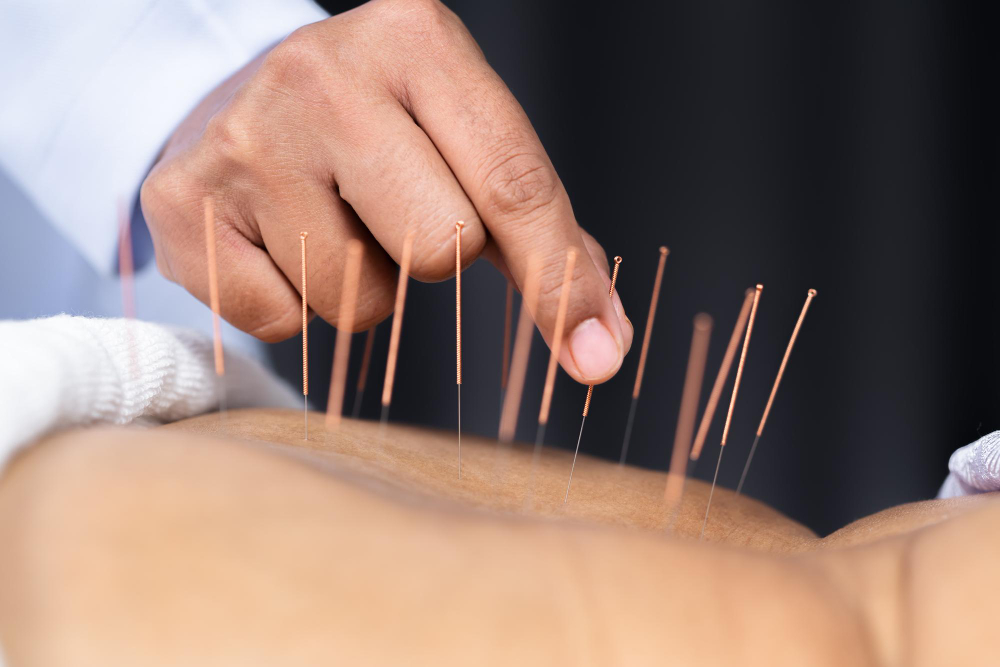
Acupuncture is an ancient healing practice from China. It uses very thin needles placed at specific points on the body. According to traditional beliefs, acupuncture helps balance the body’s energy, called “Qi.” However, modern science suggests that acupuncture may help by releasing natural painkillers in the body. In addition, it may improve blood flow and reduce inflammation. Many people try acupuncture for sciatica pain because it is gentle and drug-free.
How Acupuncture Helps in Sciatica Pain Management
Acupuncture for sciatica pain works in several ways. First, it may block pain signals sent to the brain. Next, it can help relax tight muscles around the sciatic nerve. Also, acupuncture may lower swelling and improve healing. Some studies show that people feel less pain after a few sessions. For example, research in medical journals reports that acupuncture treatment for nerve pain can reduce discomfort and improve movement. Because of these effects, many wellness clinics offer acupuncture for sciatica pain.
Benefits of Acupuncture for Sciatica
Acupuncture offers several benefits for people with sciatica. Some of the main advantages include:
Moreover, many people find acupuncture calming. This can help the body heal faster.
What to Expect During Acupuncture Treatment
Before your first session, the acupuncturist will ask about your health and symptoms. Then, you will lie down comfortably. The specialist will place thin needles at certain points on your body. Usually, you will feel little or no pain. The needles stay in place for 15 to 30 minutes. Afterward, you may feel relaxed or even sleepy. Some people notice pain relief after one session. However, most need several visits for the best results. You can find acupuncture clinics near you by searching online or asking your doctor.
Safety, Risks, and Considerations
Acupuncture is safe when done by a trained and licensed specialist. Still, there are a few risks to consider. For example, you might have mild bruising or soreness where the needles go in. Rarely, infection or injury can happen if needles are not clean. Therefore, always choose a certified acupuncture provider. If you have a bleeding disorder or take blood thinners, tell your acupuncturist before starting treatment. According to the World Health Organization, acupuncture is generally safe for most people.
Lifestyle Tips for Managing Sciatica
Along with acupuncture, simple lifestyle changes can help manage sciatica pain. Try these tips:
Additionally, avoid lifting heavy objects or twisting your back suddenly. These steps can help prevent pain from getting worse.
Prevention and When to See a Specialist
To prevent sciatica, keep your back strong and flexible. Regular exercise, stretching, and good posture are important. If you have ongoing pain, numbness, or weakness in your leg, see a doctor. Also, if you lose control of your bladder or bowel, seek help right away. Sometimes, sciatica can signal a serious problem. Early treatment can prevent long-term issues.
In summary, acupuncture for sciatica pain is a safe and natural option for many people. It can help reduce pain and improve your quality of life. Consult a qualified acupuncture specialist at Sri Om Sai Acupuncture Clinic & General Orthopaedic for personalized advice on managing sciatica pain.